Sale
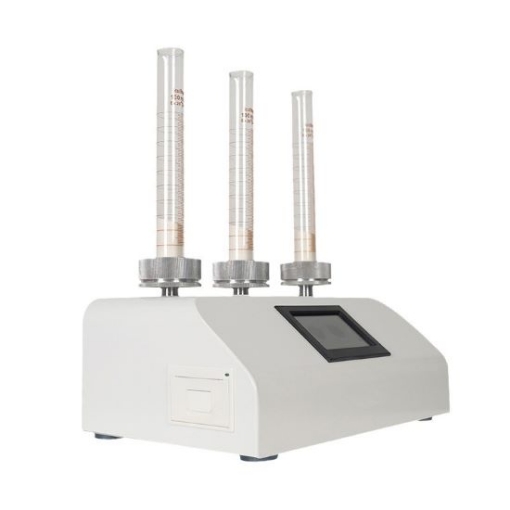
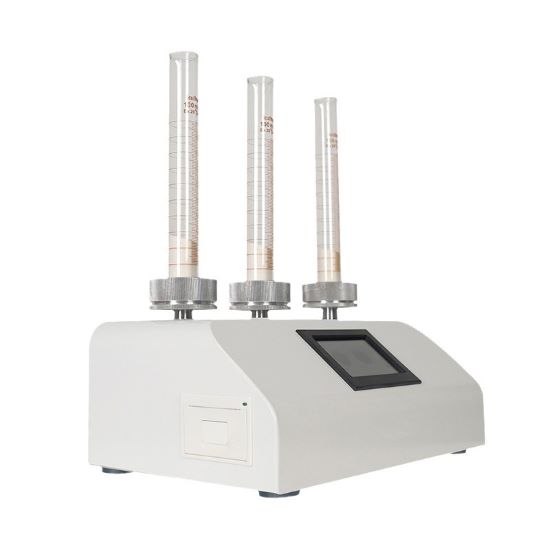
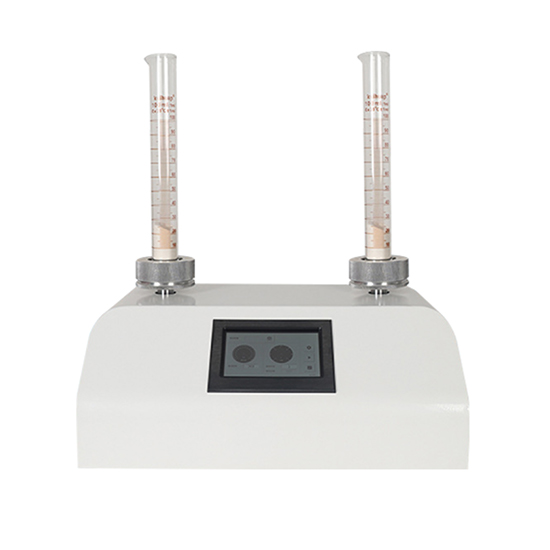
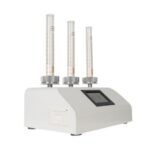
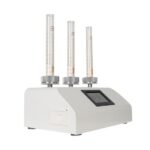
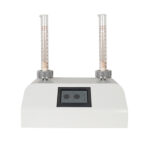
Tap Density Meter for Powder, 300 rpm, 220V AC
Price range: $207.99 through $1,131.07
63
People watching this product now!
Description
The tap density meter is used to measure the density of powders. It has a tap frequency of 300 rpm, and high measurement accuracy. The density meter for powder has a 4.3-inch touch screen that can generate electronic reports and a built-in micro printer for easy data printing. It is very suitable for metal powders, non-metallic powders, pharmaceuticals, chemicals, new energy, new materials, scientific research and teaching and other fields.
Feature
- The 4.3-inch touch screen provides a more convenient, simple and natural human-computer interaction method. It adopts a lightweight, resource-saving, high-performance, highly reliable, configurable and beautiful GUI (human-computer interaction interface) to improve the user experience.
- It uses a 32-bit embedded RISC microprocessor with low cost, high performance and low power consumption. It also uses long-life, high-reliability motor components and has excellent start-stop response capabilities.
- An embedded micro-ticket printer is built in for convenient data printing.
- It can be operated by mobile phone networking software, with excellent network connection capabilities, and can support remote software upgrades and customized needs.
- It supports the generation and download of electronic reports in both excel and PDF formats.
Specification
| Mode | T-TP301 | T-TP302 | T-TP303 |
| Supported position | Single-station | Double-station | Triple-station |
| Operation mode | Touch screen operation | ||
| Vibration frequency | 300 rpm adjustable | ||
| Vibration mode | Rotary vibration | ||
| Vibration amplitude | 1-15mm (optional) | ||
| Working power supply | AC 220V±10V 50HZ/60Hz | ||
| Volume of measuring cylinder | 25ML, 100ML | ||
| Repeatability error | ≤1% | ||
Tips: Precautions for using a tap density meter for powder
- Sample preparation: Before taking measurements, sample preparation is very important. Make sure the sample is fully broken, evenly mixed, and remove bubbles and particle clumps. The sample preparation process should comply with relevant standards or methods.
- Choose an appropriate container: Powder tap density meters usually use cylindrical containers for measurement. Choose a container of appropriate size so that the sample fills the container but does not overstack. The container should have a smooth inner surface to reduce particle adhesion and accumulation.
- Calibrate the instrument: Before taking measurements, make sure the instrument has been calibrated and is in good working condition. Calibration can be performed using standard samples or calibration balls, according to the requirements of the instrument and standard operating procedures.
- Control vibration parameters: The measurement of the powder tap density meter is to determine its tap density by vibrating the sample. When taking measurements, it is necessary to control the vibration parameters, such as amplitude, frequency, and time. The selection of these parameters should be determined based on the characteristics of the sample and the purpose of the measurement.
- Avoid external interference: When taking measurements, external vibration and interference should be avoided as much as possible. Make sure the instrument is placed on a stable platform and avoid contact with other vibration sources or interference sources.
- Repeated measurement: To obtain accurate results, it is recommended to perform multiple repeated measurements and calculate the average value. Repeated measurements can reduce errors caused by sample inhomogeneity or other factors.
- Cleaning and maintenance: After use, clean the instrument and container in time to prevent residue from affecting the next measurement. Check the status of the instrument regularly and perform maintenance and care to ensure its normal operation.
Additional information
| Configuration Selection * | , , |
|---|---|
| Volume of Measuring Cylinder * | , |
| Voltage * | , |