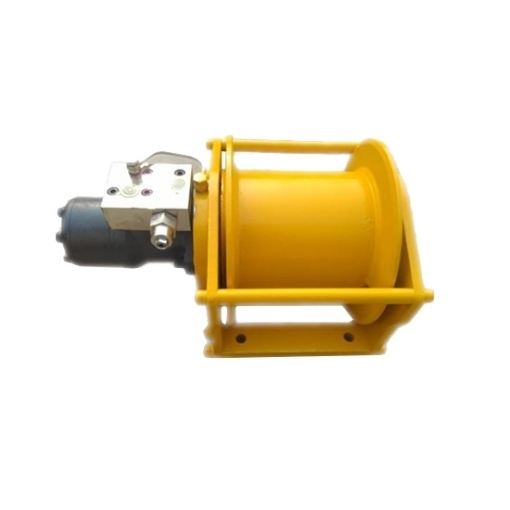
3000 lbs Hydraulic Winch for Tractor/Truck/Skid Steer
Original price was: $2,090.71.$209.99Current price is: $209.99.
A hydraulic winch utilizes hydraulic power to reel in or release a cable or rope, making it ideal for heavy-duty tasks like towing, construction, and off-road applications. The hydraulic system delivers the force and precision needed for effective pulling and lifting.
Specification
| Model | T-HW10-15 | |
| The 1st Layer | Pull | 3000 lbs (1.5 ton) |
| Rope Speed | 0~30 m/min | |
| Working Pressure Differential | 13 Mpa | |
| Oil Flow Supply | 56 L/min | |
| Rope Diameter | 10mm | |
| Hydraulic Motor | BMR-200 | |
| Planetary Reduction Ratio | 1:4.8 | |
| Layer | Wire Rope Capacity | |
| 1 | 11m | |
| 2 | 23m | |
| 3 | 36m | |
| 4 | 50m | |
Note: Never exceed working load limit.
Dimensions (Unit: mm)
Tips: Difference Between a Crane and a Winch
When handling heavy loads, knowing the difference between a crane and a winch is essential, as each serves distinct functions in various lifting and pulling applications.
- Purpose and Functionality
Crane: Primarily used for lifting and moving heavy objects vertically and horizontally over a distance. It’s ideal for construction sites and industrial settings where lifting loads to different heights is required.
Winch: Designed mainly for pulling or reeling in loads along a horizontal or inclined plane. Winches are often used in towing, recovery, and on vehicles like trucks and boats. - Mechanism
Crane: Utilizes a boom, hoist, and rotating base that enables lifting and moving in multiple directions. Cranes require a complex structure to manage vertical and horizontal movement safely.
Winch: Operates with a drum that winds or unwinds a cable or rope, providing straight-line pulling power. The mechanism is generally simpler, focusing solely on pulling. - Power Source
Crane: Usually powered by electricity, diesel, or hydraulics to support substantial lifting capacities.
Winch: Can be powered by manual effort, electric motors, or hydraulics, depending on the load requirements. Hydraulic winches are preferred for heavier, continuous pulling. - Applications
Crane: Suitable for building construction, cargo loading, and other tasks requiring significant height or long-range movement.
Winch: Commonly found in towing services, vehicle recovery, and positioning heavy equipment where movement is more limited to a linear path. - Cost and Complexity
Crane: More complex and costly due to its size, components, and advanced control systems.
Winch: Generally more affordable and simpler, making it easy to install and operate for straightforward pulling tasks.
Understanding these differences can help select the right equipment for your needs-cranes for versatile lifting and movement, winches for focused pulling.
Related products
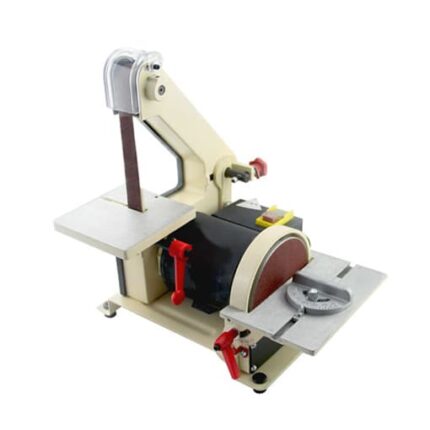
1 x 30 Inch Belt and 5 Inch Disc Sander
Price range: $86.99 through $110.07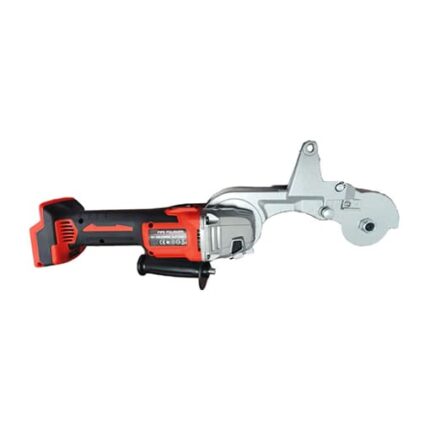
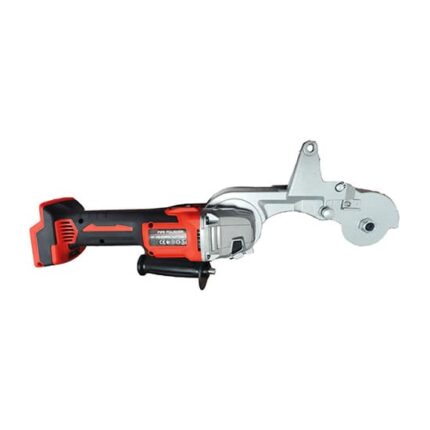
1.6 x 24″ Cordless Pipe Belt Sander, 18V
Original price was: $477.54.$47.99Current price is: $47.99.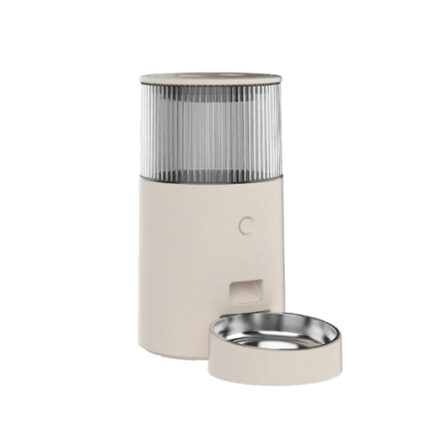
2.5L Smart Automatic Pet Feeder with WIFI
Original price was: $99.08.$29.99Current price is: $29.99.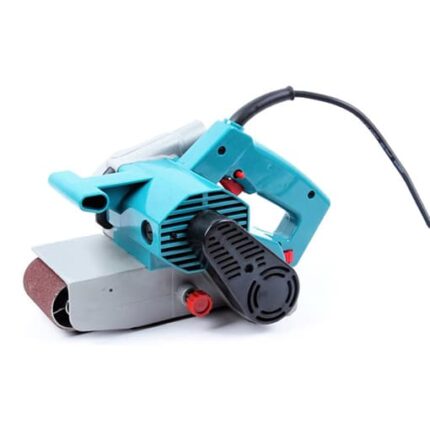
4Amp 3 x 21 Inch Variable Speed Belt Sander
Price range: $57.99 through $92.16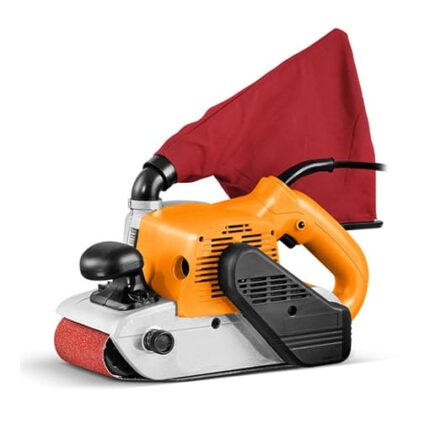
5.5/11Amp 4-1/3 x 24 Inch Belt Sander
Price range: $73.99 through $108.16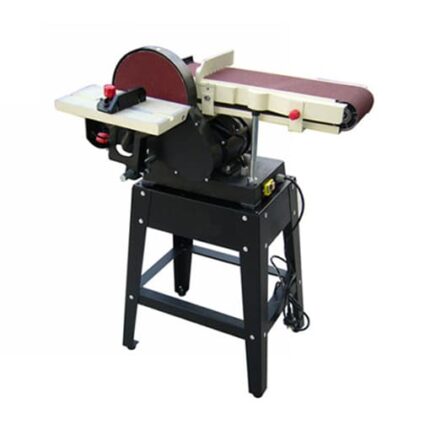
6 x 48 Inch Belt and 9 Inch Disc Sander
Price range: $147.99 through $171.07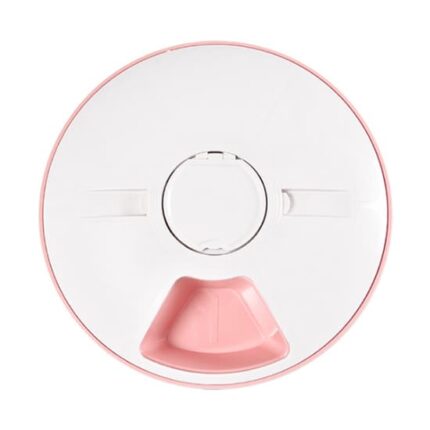
6-Meal Smart Automatic Pet Feeder
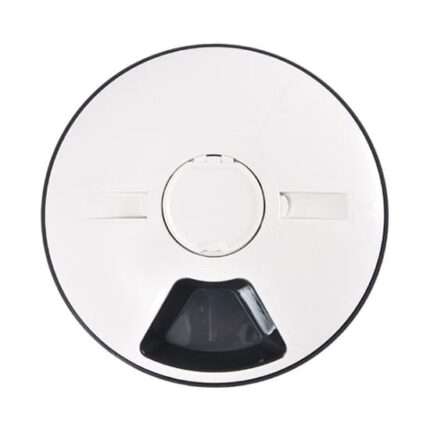 Black
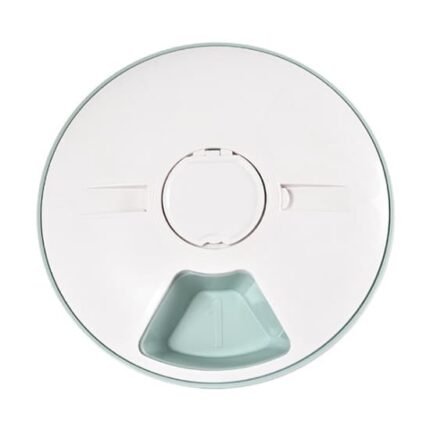 Green
 Pink