Sale
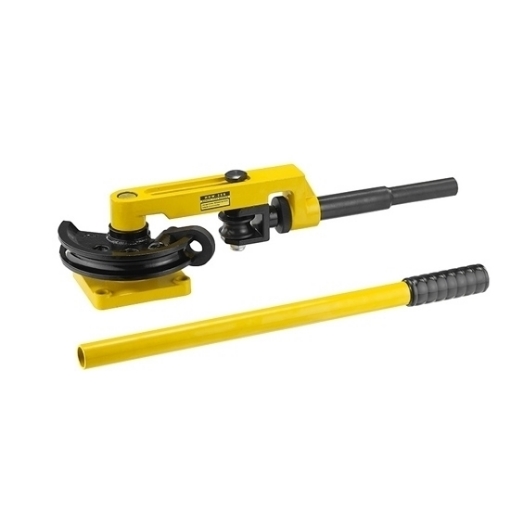
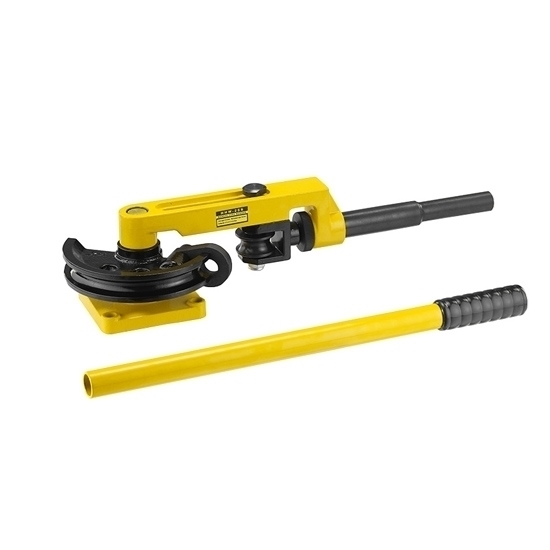
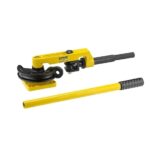
Hand Pipe Bender, 7/8″ (22mm)
Original price was: $288.05.$86.99Current price is: $86.99.
40
People watching this product now!
Description
This 7/8 inch 22mm hand pipe bender is capable of bending pipe to any angle from 0° to 180° to meet your home improvement needs. Compact shape, does not take up space, easy to carry, the bender can help you get installation and repair work done quickly
Specifications
| Model | T-HHW-25S |
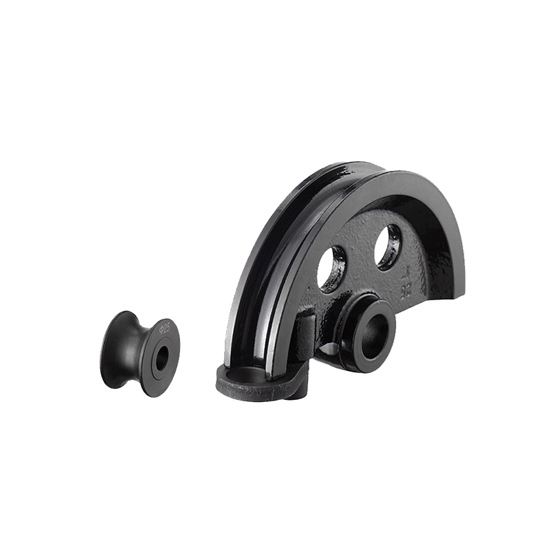
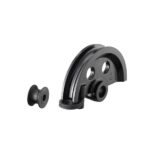
| Equipped Mold | Bending Rollers and U-Bending Dies |
| Mold Size | φ22mm (7/8 inch) |
| Bending Angle | 0~180° |
| Mold Material | Ductile Iron |
| Minimum Bend Radius | 98.5mm |
| Pipe Diameter | 23mm |
| Standard Steel Pipe/Stainless Steel Pipe Wall Thickness | 1.2mm |
| Standard Copper Pipe Wall Thickness | 1.5mm |
| Weight | 15.1kg |
| Packaging and Dimensions | Wooden Box Packing (670x215x170mm) |
| Suitable Pipe Material | Stainless Steel, Copper, etc. |
Note
- The manual pipe bender is only suitable for round pipes, not for square pipes.
- For stainless steel/iron pipes with an outer diameter of 19mm or more, it is recommended to use a tube bender with a wall thickness of 1.2~1.5mm.
Details
Installation Steps
Pipe Bender Applications
Tips: How to Care for and Maintain a Hand Pipe Bender?
- Regular Cleaning
After each use, clean the pipe bender to remove dust, debris, and metal shavings. Use a wire brush or compressed air to clean the bending components, and wipe down all surfaces with a clean, dry cloth, especially the bending arm and dies, to prevent rust and corrosion. - Lubricate Moving Parts
Regularly apply oil or grease to all moving parts, especially the pivot points, bending arm, and die rollers. This reduces friction, prevents wear, and ensures smooth operation. Also, lubricate any threaded parts to prevent corrosion and ensure easy adjustment. - Inspect for Wear and Damage
Check the dies, mandrels, bending arm, and other structural components for wear, cracks, or damage. Replace worn parts promptly to maintain accurate bending and prevent further damage. Ensure that all fasteners are tight and replace any worn or damaged bolts and pins. - Maintain Proper Alignment
Ensure the dies and mandrels are properly aligned to prevent uneven bending. Regularly check and adjust the machine to ensure accurate bending angles and prevent damage to both the pipe and the bender. - Protect from Rust
Avoid exposing the pipe bender to moisture and store it in a dry area. When not in use, cover the bender to protect it from rust. If necessary, apply a rust inhibitor to metal parts to further reduce the risk of corrosion. - Proper Storage and Handling
Store the pipe bender in a clean, dry area and handle it with care. Avoid dropping or hitting the machine, as impacts can damage the frame or other components. Proper storage and gentle handling will help extend the lifespan of the bender. - Calibration and Adjustment
Periodically check the bender’s calibration to ensure it is bending accurately. Adjust the machine settings as needed to ensure consistent bends. Depending on the material being bent, adjust the bending pressure to avoid excessive strain on the bender and the pipe. - Replace Worn Parts
Over time, parts like dies and mandrels will wear down and need replacing. Regularly inspect these components and replace them when necessary to maintain the quality and accuracy of your bends.
By following these maintenance steps, you’ll ensure that your hand pipe bender remains in good working condition, providing you with reliable and accurate bends for years to come.